
Uncovering the truth Debunking common gambling myths and misconceptions
The Role of Luck in Gambling
One of the most pervasive myths in the gambling world is the overwhelming belief that success is purely a matter of luck. Many people enter casinos or online platforms convinced that a lucky streak will determine their fortunes. While luck does play a role, especially in games of chance like slots and roulette, understanding the nuances of probability and odds is crucial. In fact, those who explore online casinos for real money may find that the randomness of outcomes creates the illusion of luck, but in reality, these games are designed with specific odds that do not favor the player in the long run.
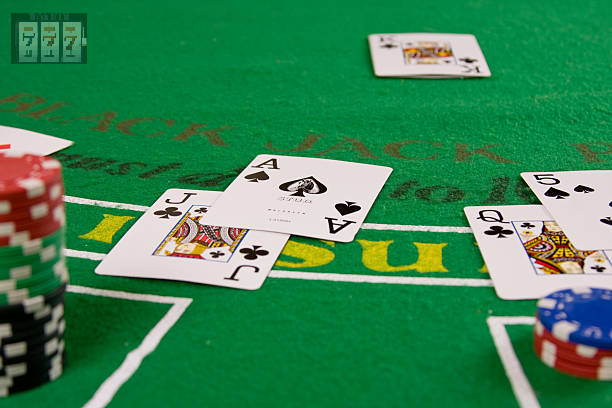
Moreover, the belief in luck can lead gamblers to engage in risky behaviors, such as chasing losses or believing in winning streaks. This can cause a dangerous cycle of betting more to recoup losses based on the false hope that luck will turn in their favor. In reality, responsible gambling involves recognizing the role of chance while being mindful of the underlying mechanics of the games being played.
The Misconception of Skill in Games of Chance
Another common myth is that skill can significantly influence the outcome of games categorized as chance. While certain games, such as poker and blackjack, do involve skill and strategy, many players mistakenly believe that their expertise can overcome the inherent randomness in games like slots or keno. In these cases, the outcomes are determined by random number generators, which means no amount of skill can alter the result.
This misconception can lead to overconfidence among players, as they may invest time and resources into mastering a game that ultimately offers little room for skill-based improvement. Understanding the distinction between skill-based games and games of pure chance is essential for gamblers to set realistic expectations and make informed decisions.
Superstitions and Gambling Beliefs
Superstitions are rampant in the gambling community, with many players holding on to rituals or lucky charms in hopes of enhancing their odds. Whether it’s wearing a specific shirt, throwing dice in a certain way, or avoiding the number 13, these beliefs can significantly influence gambling behavior. However, it’s essential to recognize that these practices have no basis in statistical reality and do not affect the outcomes of games.
Relying on superstitions can lead gamblers to make irrational decisions and deviate from sound strategies. Acknowledging that luck and chance govern gambling outcomes allows players to focus on making educated choices rather than relying on unfounded beliefs. This shift in perspective can ultimately lead to a healthier and more responsible gambling experience.
The Allure of the ‘Hot’ and ‘Cold’ Streaks
Many gamblers often fall prey to the myth that they can predict future outcomes based on previous results, commonly referred to as ‘hot’ and ‘cold’ streaks. For instance, if a slot machine has paid out several times, players may believe it is more likely to pay out again, while others might avoid a machine that hasn’t paid out for a while, thinking it is ‘cold.’ In reality, each spin of a machine is independent and has the same odds regardless of prior outcomes.
This misunderstanding can significantly impact betting strategies, leading to decisions based on faulty logic. Educating oneself about randomization and the concept of independent events in gambling can empower players to make better-informed choices rather than relying on patterns that do not exist.
Understanding the Importance of Responsible Gambling
As we navigate the complex world of gambling, it is crucial to understand the significance of responsible gambling practices. Awareness of the common myths and misconceptions can help players approach gambling with a healthy mindset, focusing on entertainment rather than financial gain. Knowing the odds and setting limits can create a safer experience, reducing the risk of developing gambling-related problems.
For those seeking more information on responsible gambling, numerous resources and websites are dedicated to promoting safe practices. Engaging with these materials can enhance understanding and encourage a balanced approach to gambling, ensuring that it remains a fun and recreational activity rather than a source of stress or financial burden.
